






0

0
0
0
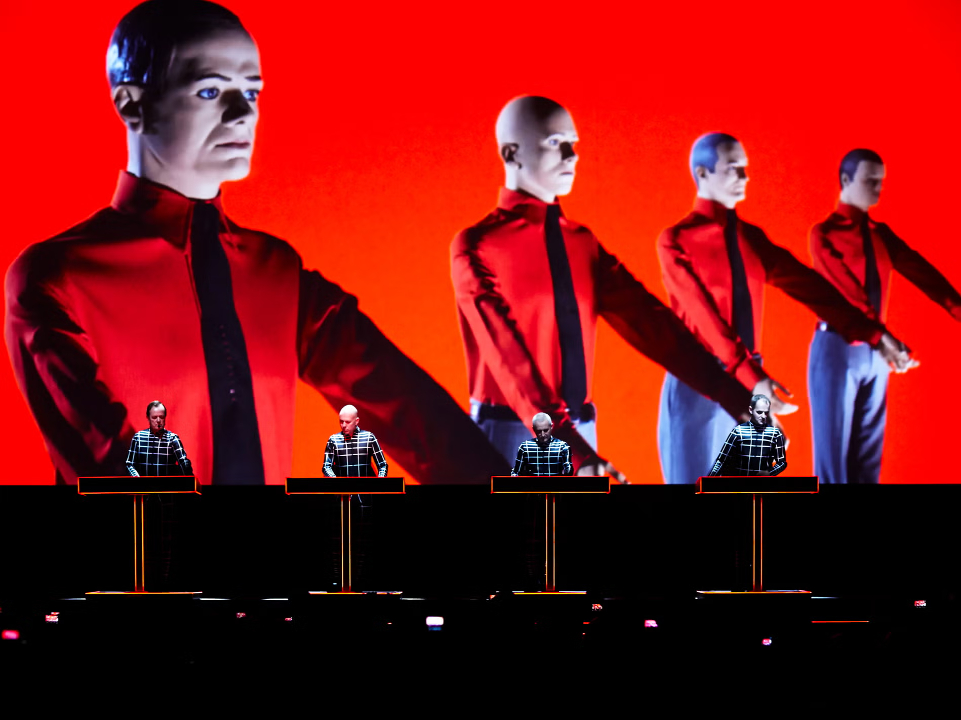 Kraftwerk, formed in Düsseldorf in 1970 by Ralf Hütter and Florian Schneider, are widely regarded as pioneers and innovators of electronic music. They played a crucial role in popularizing and shaping the genre, influencing a diverse range of artists and musical styles including synth-pop, hip-hop, techno, and house music.
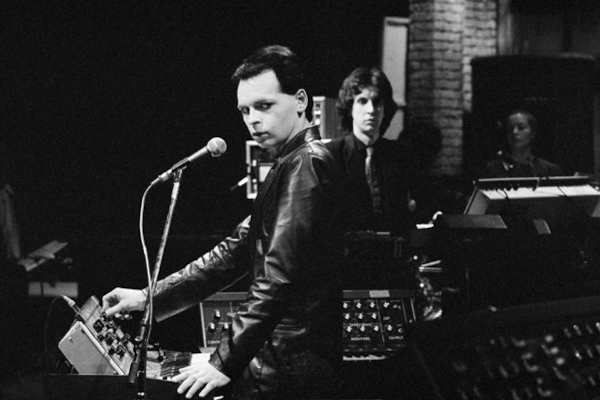 Emerging from West Germany's experimental krautrock scene, Kraftwerk set out to redefine German musical culture in the post-World War II era. Rejecting the dominant American rock influences, they embraced electronic instrumentation and a distinctly European aesthetic. Their philosophy centered on creating "sound pictures of real environments" and exploring the relationship between humans and technology.
Kraftwerk's artistic vision was characterized by:
Kraftwerk's discography includes 11 studio albums, 1 live album, and 3 compilation albums. Some of their most influential releases include:
Their early albums (Kraftwerk, Kraftwerk 2, and Ralf and Florian) are considered by the band as "archaeology" and are difficult to find today.
Kraftwerk were at the forefront of music technology, often creating custom-built instruments and devices. Some notable innovations include:
Kraftwerk's impact on modern music is immense. They have been credited with influencing the development of various electronic music genres and inspiring countless artists. David Bowie, for instance, cited Kraftwerk as a significant influence on his Berlin-era work. The band has received numerous accolades, including a Grammy Lifetime Achievement Award in 2014 and induction into the Rock & Roll Hall of Fame in 2021.
Kraftwerk continues to tour and perform, celebrating their 50th anniversary and showcasing their enduring legacy in electronic music.
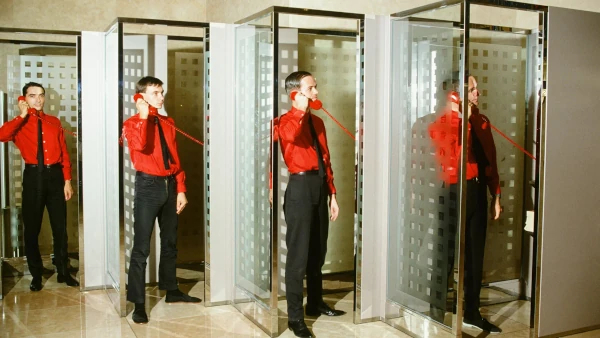 Kraftwerk's unique "robot pop" style was inspired by a combination of cultural, technological, and artistic influences that emerged from their environment and personal philosophies.
Post-War German Identity: Emerging from a post-World War II Germany, Kraftwerk sought to redefine German music and culture. They aimed to create a distinctly European sound, free from American rock influences. This was part of a broader effort to forge a new cultural identity for Germany, focusing on modernity and technological progress.
Düsseldorf Art Scene: Kraftwerk's hometown of Düsseldorf was a hub for visual arts and performance art in post-war Germany. This vibrant artistic environment influenced their minimalist and avant-garde approach to music and performance.
Modernist Architecture and Design: Florian Schneider's father was an architect influenced by the "New Objectivity" movement, which emphasized functional and unadorned design. This minimalist ethos was reflected in Kraftwerk's music and visual presentation, characterized by precision and simplicity.
Electronic Instruments: Kraftwerk were pioneers in the use of synthesizers, drum machines, and vocoders. They often custom-built their instruments, such as the Synthanorma Sequenzer and electronic drum kits, to achieve their unique sound.
Repetitive and Minimalist Rhythms: Their music featured machine-like rhythms and synthetic melodies, creating a sound that was both futuristic and mechanical. This approach was a stark departure from the organic and improvisational nature of rock music.
Concept Albums: Kraftwerk's albums often explored themes of technology, transportation, and communication. Albums like Autobahn (1974), Trans-Europe Express (1977), and The Man-Machine (1978) were conceptually driven, reflecting their fascination with the relationship between humans and machines.
Man-Machine Concept: Kraftwerk's "robot pop" style was encapsulated in their 1978 album The Man-Machine. This concept explored the synergy between humans and technology, portraying themselves as robotic figures to emphasize the mechanistic nature of their music.
Gesamtkunstwerk: Kraftwerk embraced the idea of gesamtkunstwerk or "total artwork," where music, visuals, and performance were integrated into a cohesive artistic expression. Their live shows often featured synchronized visuals and 3D elements, enhancing the immersive experience.
Romanticizing Technology: Kraftwerk's music often romanticized modern technology and infrastructure, such as the German autobahn and European rail systems. This was a way to celebrate technological progress and its impact on society.
Kraftwerk's influence on hip-hop, electro, and electronic music, particularly techno, is profound and multifaceted. Their pioneering use of synthesizers, sequencers, and electronic rhythms laid the groundwork for these genres and inspired countless artists across the globe.
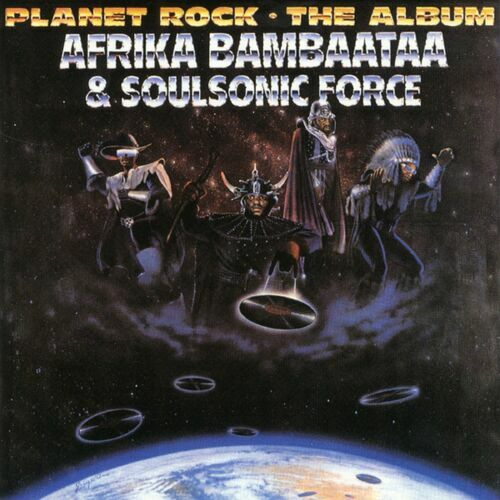 Kraftwerk's music, especially tracks like "Trans-Europe Express" and "Numbers," became foundational elements in the early hip-hop scene. Afrika Bambaataa's "Planet Rock," a seminal track in hip-hop, directly sampled Kraftwerk's "Trans-Europe Express" and "Numbers," blending their electronic sound with hip-hop beats. This fusion helped establish the genre of electro, which heavily influenced hip-hop's development.
Darryl McDaniels of Run-DMC highlighted Kraftwerk's role in hip-hop, noting that their innovative use of technology and electronic sounds resonated with the early hip-hop culture in the Bronx. Kraftwerk's music was a staple at block parties and influenced the production techniques of many hip-hop pioneers.
Kraftwerk's robotic and futuristic soundscapes were instrumental in shaping the electro genre. Their precise, machine-like rhythms and use of vocoders created a template for electro music, characterized by its synthetic beats and electronic melodies. Tracks like "The Robots" and "Computer World" exemplified this style and were widely sampled and emulated by electro artists.
Kraftwerk's influence on techno is particularly significant. The Detroit techno scene, spearheaded by artists like Juan Atkins, Derrick May, and Kevin Saunderson, drew heavily from Kraftwerk's sound. Juan Atkins famously described techno as "George Clinton and Kraftwerk caught in an elevator with only a sequencer to keep them company."
The repetitive, mechanical rhythms and futuristic themes in Kraftwerk's music resonated with the industrial landscape of Detroit, a city undergoing significant deindustrialization. This cultural exchange between Germany and Detroit helped forge the techno genre, characterized by its use of synthesizers, sequencers, and electronic beats.
Kraftwerk's legacy in electronic music is enduring. Their innovative approach to music production, their embrace of technology, and their visionary themes continue to inspire new generations of artists. Their influence is evident in the works of contemporary electronic musicians and producers who continue to explore and expand the boundaries of electronic music.
In summary, Kraftwerk's impact on hip-hop, electro, electronic music, and techno is immeasurable. Their pioneering use of electronic instruments and their visionary approach to music production have left an indelible mark on the music world, shaping the sound and direction of multiple genres and inspiring countless artists.