






1

0
1
0
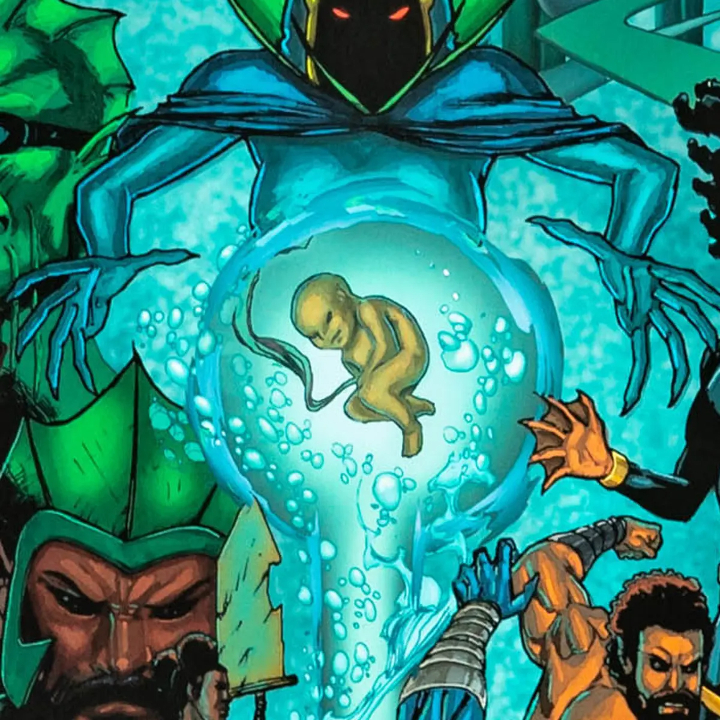
Drexciya, a legendary duo from Detroit, Michigan, wasn't just any electronic outfit; they were pioneers who merged the pulsing beats of Detroit techno with the enigmatic energy of electro. Formed in 1989 by the enigmatic James Stinson and Gerald Donald, they weren't just making music; they were crafting a narrative, an alternate universe steeped in the deep waters of Afrofuturism.
The duo embarked on their sonic voyage with the "Deep Sea Dweller" EP in 1992, released under the banner of Underground Resistance. This wasn't just music; it was the beginning of an odyssey into the depths of Drexciya, an underwater realm born from the tales of African women thrown overboard during the Middle Passage. It’s a chilling, yet fascinating concept that not only gave birth to an aquatic race in their storytelling but also defined their unique sound and thematic depth.
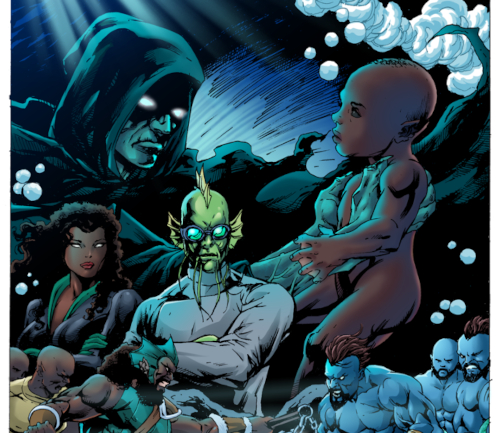
Their 1990s journey was prolific, marked by releases on esteemed labels like Warp, Rephlex, and Tresor. Each record, from "Neptune's Lair" to "Harnessed the Storm" and "Grava 4," wasn't just an album; it was a chapter in the evolving saga of Drexciya. "Neptune's Lair," in particular, stood out as a masterpiece, its beats and rhythms weaving the narrative of this submerged civilization.
But the Drexciya journey was as mysterious as it was groundbreaking. Stinson and Donald shrouded themselves in anonymity, their rare interviews adding layers to their mythos rather than unveiling the men behind the masks. When Stinson passed away in 2002, the music world mourned not just a producer, but a storyteller whose legacy was as deep and uncharted as the fictional world he co-created.
Even after Stinson's death, Gerald Donald continued to explore uncharted sonic territories under various aliases, maintaining the enigmatic essence of Drexciya. Meanwhile, Stinson's solo work under names like Transllusion and The Other People Place further solidified their legendary status in the electronic music panorama.
The name Drexciya itself is a portmanteau blending "Detroit" with "Ciya," hinting at birth under dire circumstances. This moniker encapsulates their vision of an aquatic utopia birthed from tragedy, its citizens the descendants of the African diaspora, resilient and thriving under the sea. This wasn't just music; it was an act of reclamation, a rewriting of history through the lens of Afrofuturism, where the trauma of the slave trade transformed into a narrative of survival and futuristic splendor.
Drexciya's journey through the deep blue wasn't just about beats and synths; it was a sonic odyssey that intertwined the legacy of the Middle Passage with themes of survival, adaptation, and identity. Their music, deep and undulating like the ocean, served as a metaphor for the African diaspora's resilience, a tribute to the unacknowledged ancestors who perished and the mythical ones who thrived beneath the waves.
In essence, Drexciya wasn't merely an electronic music project. It was a mythos, a movement, an uncharted aquatic world where the descendants of the African diaspora found a voice, and where Stinson and Donald, through their groundbreaking beats and narratives, charted new territories in the vast ocean of electronic music. Their legacy is a powerful testament to the genre's potential to tell stories, evoke histories, and imagine futures, making Drexciya a beacon of Afrofuturist expression in the electronic music universe.