






1

0
1
0
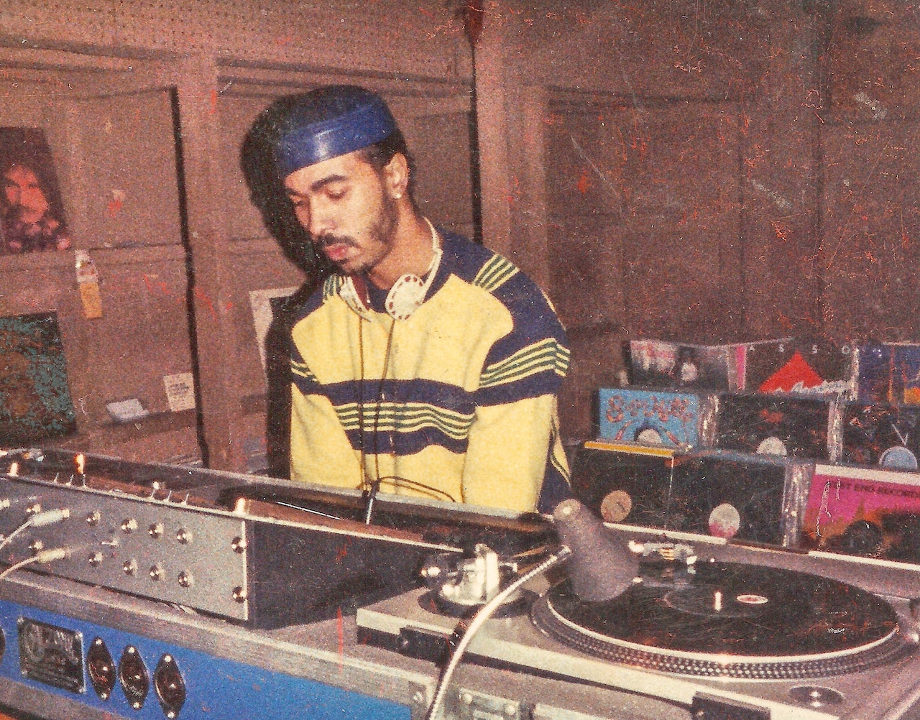 In the vibrant tapestry of Chicago house music, few threads are as colorful and enduring as the legacy of Ron Hardy. Born on May 8, 1958, Hardy was not just a DJ and record producer; he was a musical alchemist, transforming the dance floors of Chicago into hallowed grounds of sonic exploration.
Ron Hardy's journey into the heart of music began in the late 1970s at Den One, a popular gay disco in Chicago's Old Town. At just 19, he became a sensation with his audacious DJ style, marked by radical edits, blistering tempos, and heavy EQ manipulation. Hardy was not just playing music; he was extending the boundaries of songs into hypnotic, extended grooves that captivated his audience .
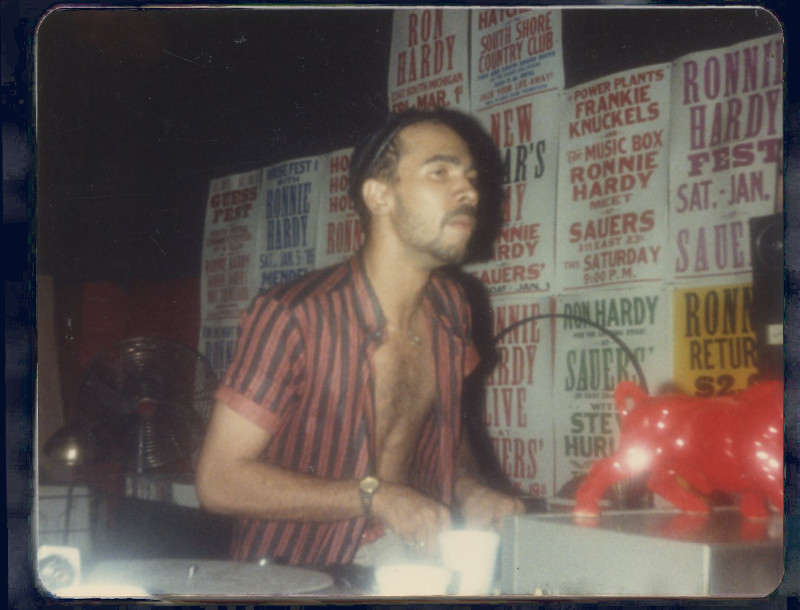
In 1983, after the closure of Den One, Hardy was scooped up by Robert Williams to lead the charge at a new club, the Muzic Box. This venue quickly ascended as the nucleus of the emerging house music scene in Chicago. Hardy's sets were audacious, blending obscure disco tracks with soul and experimental music, laying the groundwork for house music. This period was transformative, with Hardy at the helm, birthing tracks like Phuture's "Acid Tracks," which, despite initial resistance, eventually became anthems that electrified the dance floor .
Hardy's influence seeped well beyond the walls of the Muzic Box. He was the sonic pioneer who first played tracks by burgeoning house music icons like Chip E., Steve "Silk" Hurley, and Jamie Principle. His relentless pursuit of the new and the experimental drew in future legends of the scene, including Derrick May, Ron Trent, Jamal Moss, and Theo Parrish, all of whom have cited Hardy as a pivotal influence in their careers .
Despite his tragic early death from heroin addiction and AIDS-related complications in 1992, Hardy's legacy is undimmed. His fearless, experimental approach and his live remixing prowess—melding acapellas, instrumentals, and samples in real-time—left an indelible mark on the sound of Chicago house and the global dance music culture .
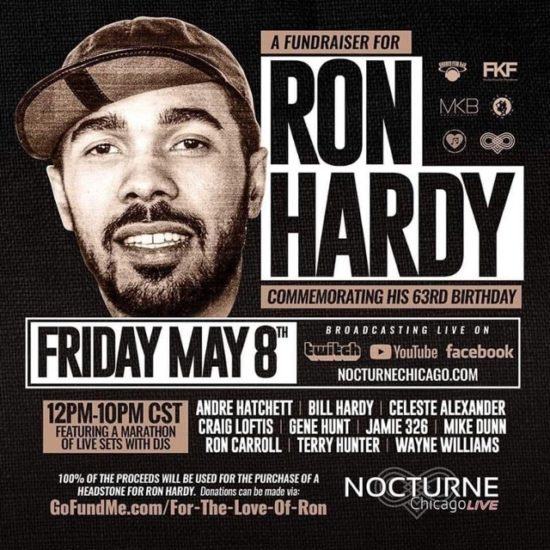
Hardy's genius lay in his signature techniques, such as creating live remixes and using reel-to-reel tapes to craft new mixes on the fly. He was renowned for his high-energy mixing style, often pitching records to their limits to create a frenetic dance floor experience. His mastery of drum machines, especially the Roland TR-909 and TR-808, allowed him to blend drum patterns with tracks, creating a unique sound that was ahead of its time .
The Music Box itself became an icon under Hardy's tenure, known for its thunderous sound system and the electric energy that Hardy conjured within its walls. Hardy's fearless musical choices trained the audience's ear, pushing them to appreciate the raw, uncut sound of house music, and turning the venue into a temple of the nascent genre .
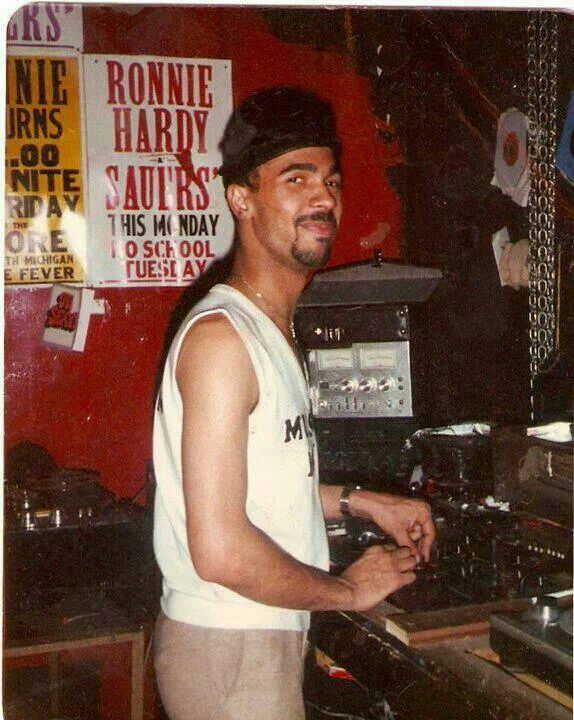
The Ron Hardy memorial fundraiser, launched by the Chicago house music community, sought to honor this titan of turntables with a proper gravestone, a testament to his lasting influence. This initiative, backed by the Frankie Knuckles Foundation and the Chosen Few DJs, underscores the profound impact Hardy had on the music world and the community's desire to celebrate his legacy .
Ron Hardy was more than just a DJ; he was a visionary whose audacious style and innovative techniques paved the way for the house music movement. His legacy is a rich narrative of musical bravery, influencing generations of artists and creating a legacy that continues to resonate on dance floors around the world. Through his life, Ron Hardy taught us that music is not just to be heard; it's to be felt, a pulsating, living entity that can unite, inspire, and transform.